



The Science Behind Narine.
Not All Probiotics Are the Same.
Not All Probiotics Are the Same.
Walk through any supplement aisle and you'll see hundreds of products described simply as probiotics.
But probiotics are not interchangeable.
Even microorganisms belonging to the same species can exist as different strains, each with its own characteristics.
That is why Narum starts with the strain.
Meet Narine
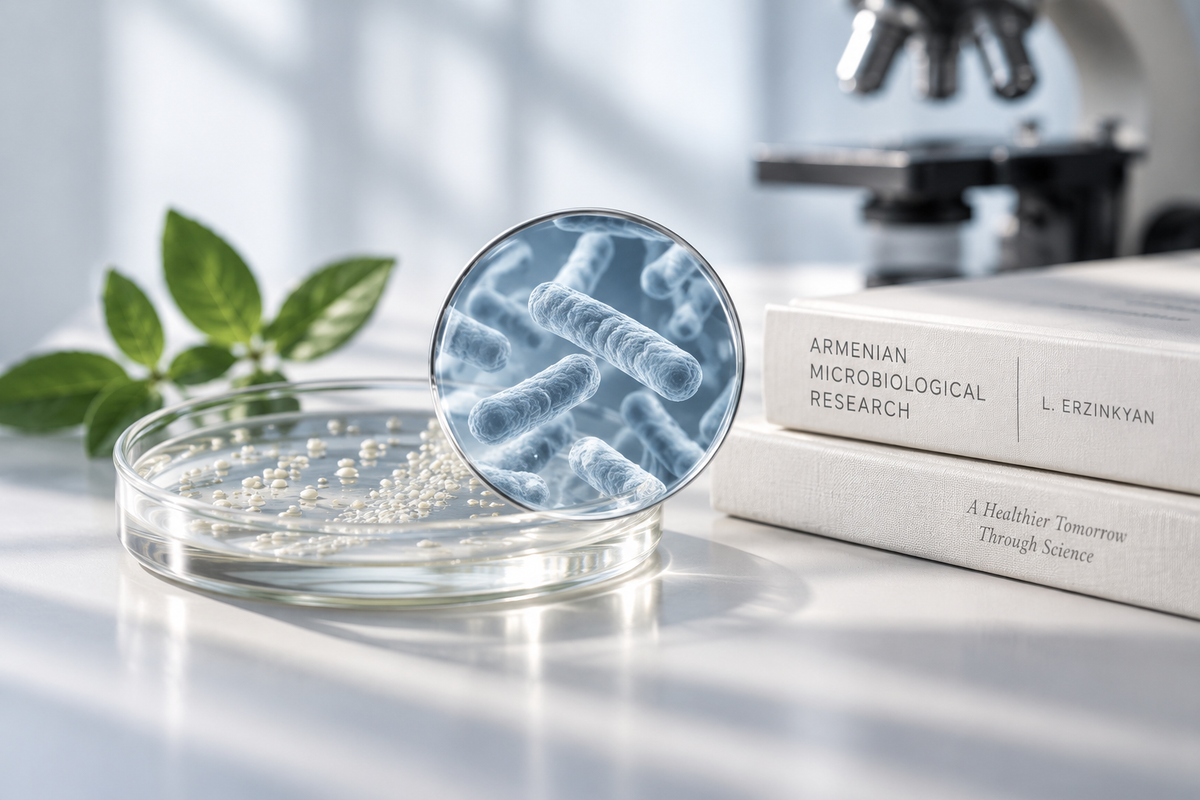
Narine is a specifically identified, human-origin strain of Lactobacillus
acidophilus associated with Armenian microbiological research dating back more than six decades.
The culture was isolated through the work of Armenian scientist Professor Levon Erzinkyan and subsequently became the subject of continued scientific interest.
Today, Narine remains at the heart of Narum.
Why Does the Strain Matter?
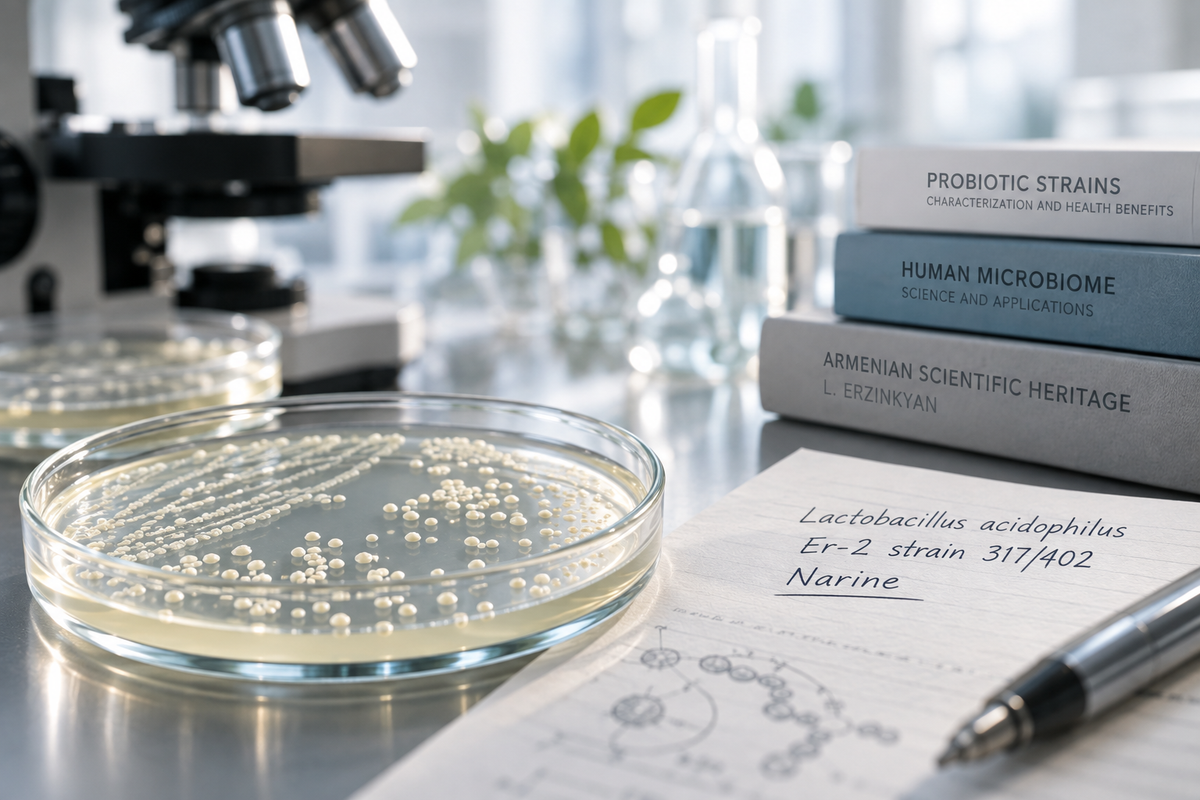
Think of the species as the family name. The strain is the individual identity. Two probiotics can both contain Lactobacillus acidophilus while containing different strains with different characteristics.
That means scientific findings associated with one probiotic strain cannot automatically be applied to every other strain of the same species. Specificity matters. That is why we proudly identify Narine by its full strain designation:
Er-2 strain 317/402 Narine.
What Makes Narine Distinctive?
Human Origin
Narine originates from the human microbiome rather than from a dairy or environmental source.
Acid & Bile Resilience
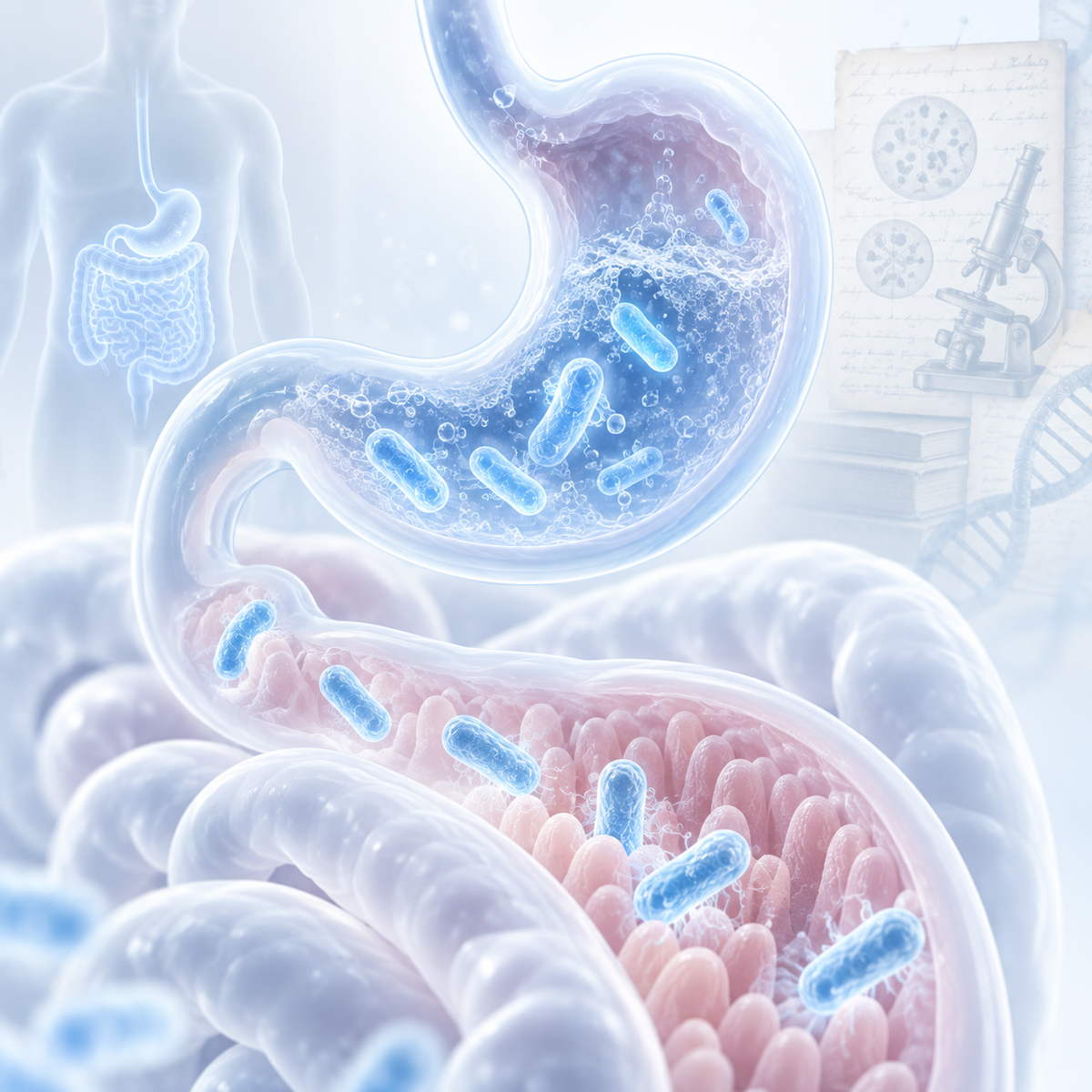
Narine has been studied for its ability to tolerate acidic and bile environments — important characteristics for microorganisms traveling through the digestive system.
Adhesive Properties
Research and historical scientific literature describe Narine's ability to adhere to intestinal surfaces and temporarily persist within the intestinal environment.
Decades of Scientific Interest
The Narine strain has been studied across generations of microbiological research, giving it a scientific history extending far beyond today's probiotic trend.

Preserving the Narine Heritage
The scientific story surrounding Narine continues through initiatives such as the Narine Academy, created to help collect, organize and share accumulated knowledge surrounding Narine and related microbial cultures.
The Academy connects researchers, specialists and educators interested in continuing the conversation around these distinctive microorganisms.
For Narum, preserving that knowledge is part of preserving the heritage behind every product we make.
Science. Heritage. One Distinctive Strain.